Dubai has long been recognized as one of the world’s most innovative cities for luxury living. With iconic architecture, ultra-modern villas, and high-end residential developments, the city constantly sets new benchmarks in interior design and home fit-out standards. As we move into 2026, the concept of luxury interiors in Dubai is evolving beyond traditional opulence. Homeowners are now seeking spaces that combine elegance, functionality, sustainability, and advanced technology.
The modern luxury home is no longer defined simply by expensive materials or extravagant decor. Instead, it focuses on thoughtful design, personalization, comfort, and a seamless integration of lifestyle features.
This article explores the most important luxury home fit-out trends shaping Dubai’s residential interiors in 2026.
The Evolution of Luxury Living in Dubai
Over the past decade, Dubai’s residential market has grown significantly, driven by international investors and high-net-worth individuals relocating to the city. Luxury neighborhoods such as Palm Jumeirah, Emirates Hills, and Dubai Hills Estate have seen rising demand for bespoke villas and premium interior renovations.
This demand has a reshaped luxury home design. Homeowners now prioritize the following over visual grandeur:
- Functional layouts
- Wellness-oriented living spaces
- Sustainable materials
- Smart home technology
- Personalized design elements
Luxury homes are becoming more holistic environments that enhance lifestyle, comfort, and long-term property value.
1. Warm Minimalism: The Rise of “Quiet Luxury”
One of the most powerful design shifts in 2026 is the move from flashy interiors toward quiet luxury. Traditional Dubai interiors often feature glossy marble floors, heavy gold accents, and dramatic lighting. While these elements still exist in certain projects, the overall trend now favors subtle elegance.
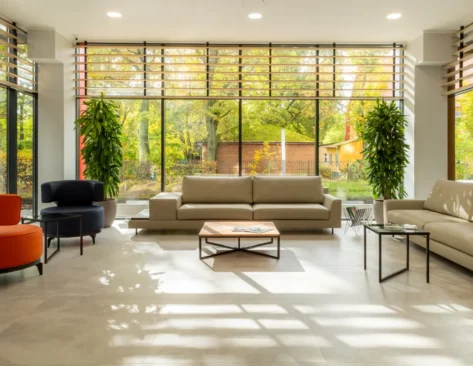
Warm minimalism is becoming the preferred style for modern homes. Instead of cold white spaces, designers are embracing soft neutral palettes such as sand, beige, taupe, and warm greys. These colors create a calming atmosphere and allow textures and materials to become the focal point.
2. Organic Materials and Natural Textures
Another major trend in Dubai’s luxury home fit-outs is the use of organic and natural materials. Instead of artificial surfaces or overly polished finishes, designers are choosing materials that add depth, texture, and authenticity.
Natural materials such as limestone, travertine, marble, and solid wood are increasingly used in luxury villas and apartments. These materials not only look elegant but also age gracefully and add long-term value to the property
3. Smart Home Technology Integration
Technology is transforming luxury homes into Dubai. Smart home systems are no longer optional upgrades—they are becoming essential components of modern home design.
Luxury homeowners are integrating advanced technologies that improve convenience, security, and energy efficiency. These systems are often seamlessly hidden within the design to maintain a clean and elegant aesthetic.
Common smart features include:
- Voice-controlled lighting systems
- Smart glass for privacy
- Motion-sensor lighting
- Integrated home security systems
In high-end villas, homeowners can control lighting, temperature, music, and even appliances through a single smartphone app. This level of automation enhances both comfort and efficiency.
4. Bespoke Furniture and Custom Interiors
Customization has become a key aspect of luxury living. Instead of purchasing mass-produced furniture, homeowners are increasingly investing in bespoke pieces tailored specifically to their homes.
Custom furniture allows designers to create interiors that perfectly match the layout, proportions, and style of each space. It also provides homeowners with a unique aesthetic that cannot be replicated.
Popular bespoke design elements include:
- Custom curved sofas
- Solid wood dining tables
- Built-in wardrobes and walk-in closets
- Media walls with integrated lighting
- Luxury kitchen islands
- Upholstered wall panels
Curved furniture and organic shapes are especially trending in 2026, replacing rigid geometric lines with softer, more fluid forms.
These pieces create a more welcoming and comfortable environment while maintaining a sophisticated appearance.
5. Indoor-Outdoor Living Experiences
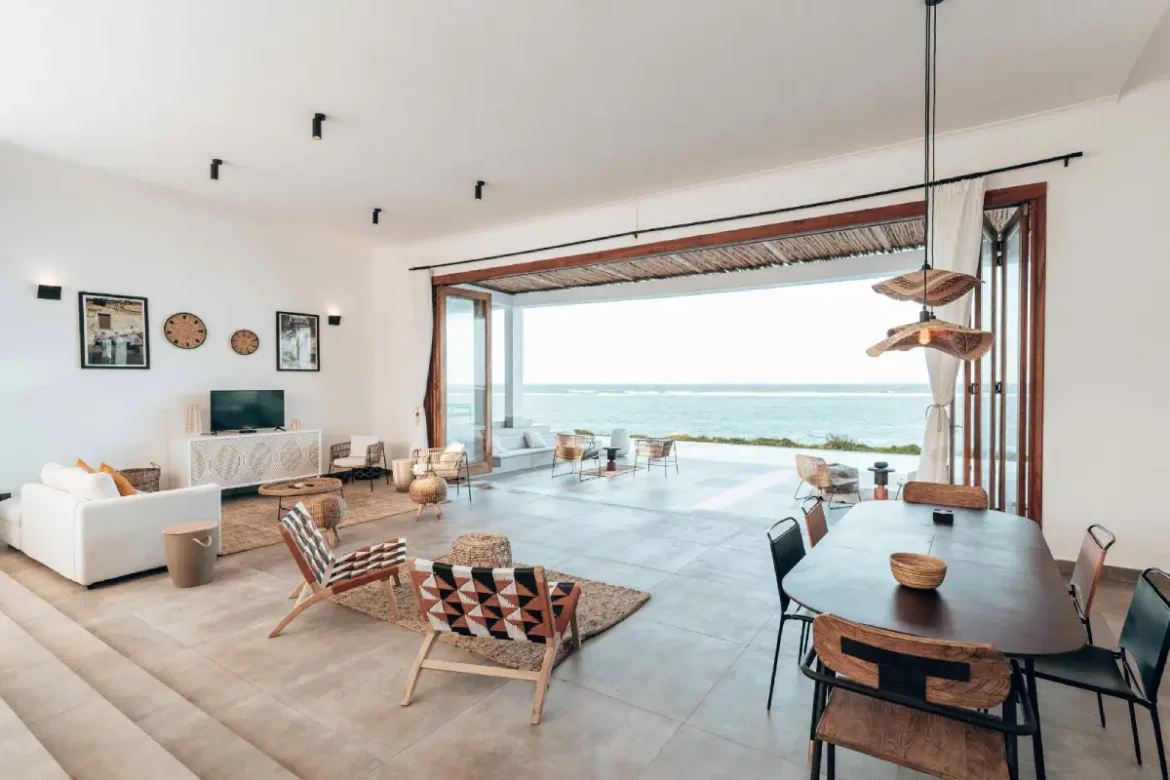
Dubai’s climate and architectural style make indoor-outdoor living an essential element of luxury homes. Modern villas are increasingly designed to blur the boundaries between interior and exterior spaces.
Large sliding glass doors, open terraces, and outdoor lounges create seamless transitions between indoor living areas and outdoor landscapes.
Popular features include:
- Outdoor kitchens and dining areas
- Luxury garden lounges
- Infinity pools and water features
- Covered patios with climate control
- Landscaped courtyards
This trend enhances the sense of space and allows residents to enjoy Dubai’s beautiful skyline and waterfront views.
6. Sustainable and Eco-Friendly Design
Sustainability is becoming a defining feature of luxury homes. High-end buyers are increasingly looking for environmentally responsible design solutions that reduce energy consumption and environmental impact.
Luxury developers and homeowners are now adopting green building strategies such as solar integration, water recycling systems, and locally sourced materials.
Sustainable design features include:
- Solar roof panels
- Greywater recycling systems
- Energy-efficient lighting
- Natural ventilation strategies
- Eco-friendly construction materials
These solutions not only benefit the environment but also improve the long-term efficiency and value of the property.
7. Personalized Luxury Spaces
Perhaps the most significant trend in 2026 is personalization. Luxury homes are increasingly designed to reflect the homeowner’s lifestyle, culture, and preferences.
Dubai’s multicultural environment influences interior design, resulting in spaces that combine global styles with regional elements. For example, modern interiors may include subtle Arabic geometric patterns or handcrafted decorative details.
Personalized spaces may include:
- Private cinema rooms
- Luxury wine cellars
- Art galleries within the home
- Gaming rooms
- Custom libraries
These features transform houses into highly personalized living environments.
The Future of Luxury Home Fit-Out in Dubai
The future of luxury home design in Dubai is centered on balance. Homeowners are seeking interiors that combine elegance, comfort, innovation and sustainability.
The next generation of luxury homes will likely continue to emphasize:
- Smart technology integration
- Use top-graded materials
- Flexible living spaces
- Highly personalized interiors
As Dubai continues to attract global investors and affluent residents, the demand for high-quality home fit-out services will only increase. Interior designers and renovation companies must therefore adapt to these evolving trends while maintaining the exceptional standards that define luxury living in the city.